
At a Glance
We answer 103 common earth science questions, one per page. Each page opens with a short, direct answer and the key number, then explains the science with a diagram and a data table. Weather and atmosphere questions are the largest group with 24 pages, followed by scientists and inventions with 20 and rocks, minerals and soil with 17.
- Question pages
- 103
- Topics
- 8
- Largest topic
- Weather and atmosphere (24)
- Answer format
- Direct answer first, then the science
On this page
- How Do We Answer Earth Science Questions?
- Where Do These Questions Come From?
- Volcano Questions
- Earthquake, Plate and Earth Interior Questions
- Rock, Mineral and Soil Questions
- Fossil Questions
- Weather and Atmosphere Questions
- Climate, Ice and Extreme Places Questions
- Ocean and Water Questions
- Who Discovered It? Scientists and Inventions
- How Can Students and Teachers Use These Answers?
- All pages in this guide
- Key Facts
- FAQ
How Do We Answer Earth Science Questions?
Every question page follows the same pattern, so you can find the answer fast and then read further only if you want to. The first sentence gives the direct answer, usually with the key number and the date of the data. A short answer box repeats it in two or three sentences, and the rest of the page explains why, with a diagram drawn for that question and a table you can check.
Numbers come from public science agencies and catalogs: the USGS for earthquakes, volcanoes, rocks and minerals, NOAA and the National Weather Service for weather and oceans, NASA for views from space, and the Smithsonian's volcano catalog for eruption records. Where the experts disagree, or where a number depends on how you measure it, we say so instead of picking one figure and hiding the rest.
A question page answers one question. When the topic grows bigger than that, the page links out to the full guide, such as our rock cycle explainer or the magma page, so each answer stays short and each guide stays complete.
Where Do These Questions Come From?
We chose the questions from real search phrases, the suggestions that appear as people start typing, and checked each one word for word. Some are classic classroom questions, like why the sky is blue or what the hardest mineral is. Others come from the news, such as atmospheric rivers and bomb cyclones.
Many more questions did not need a page of their own because a topic page already answers them in full. For example, "what are the three types of rock" is answered on types of rocks, and "how many tectonic plates are there" on tectonic plates of the world. The table below shows how the 103 dedicated pages split across eight topics; the full list follows, one line per question.
| Topic | Question pages | Share | Example question |
|---|---|---|---|
| Volcanoes | 9 | 9% | How many volcanoes are there? |
| Earthquakes, plates and interior | 7 | 7% | How many earthquakes happen a day? |
| Rocks, minerals and soil | 17 | 17% | What is the hardest mineral? |
| Fossils | 5 | 5% | How long does it take for a fossil to form? |
| Weather and atmosphere | 24 | 23% | Why is the sky blue? |
| Climate, ice and extremes | 11 | 11% | What caused the ice age? |
| Oceans and water | 10 | 10% | How much of the Earth is water? |
| Scientists and inventions | 20 | 19% | Who is the father of geology? |
| All topics | 103 | 100% | Grouped below |
| Source: Computed from our page plan (question pages grouped by topic, retrieved 2026-10); questions chosen from verified search autocomplete phrases | |||

Volcano Questions
How hot, how fast, how tall and how many: the numbers people search for most about volcanoes, each answered from volcano observatory and catalog data. For the full topic, start at our volcanoes section.
- How many volcanoes are there? How many volcanoes Earth has, and why the answer depends on what counts as active.
- Where are volcanoes found? Why most volcanoes line up along plate edges and a few rise over hotspots.
- How hot is lava? Lava temperatures by type, from runny basalt to sticky rhyolite.
- How fast does lava flow? Why some lava flows creep slower than a walk while others race downhill.
- How long do volcanoes erupt? From eruptions that end in hours to ones that continue for decades.
- How tall is the tallest volcano? The tallest volcano measured from sea level, and the tallest from its base on the sea floor.
- How do volcanic islands form? How island arcs and hotspot chains grow up from the ocean floor.
- Why does Iceland have so many volcanoes? A spreading ridge and a hotspot in the same place.
- Why are volcanoes important? Fertile soil, new land, ore deposits and the gases that built the atmosphere.
Earthquake, Plate and Earth Interior Questions
Questions about the moving ground under our feet, answered with earthquake catalog data and the plate tectonics behind it. For the full topic, start at our earthquakes section.
- How many earthquakes happen a day? How many earthquakes strike each day, and how few of them anyone feels.
- Can an earthquake cause a tsunami? Which earthquakes move enough sea floor to start a tsunami.
- Why does California have so many earthquakes? The San Andreas Fault and the plate boundary that runs through the state.
- Why does Japan have so many earthquakes? Four plates meeting beneath one island chain.
- How fast do tectonic plates move a year? Plate speeds in centimeters and inches per year, with real examples.
- How far is the center of the Earth? The distance to Earth's center and what lies along the way.
- What is the Earth's core made of? An iron and nickel core, and how scientists know without ever reaching it.
Rock, Mineral and Soil Questions
Hardness, age, how common things form and how to recognize what you find: questions about the solid stuff of Earth. For the full topic, start at our rocks section.
- What is the hardest mineral? Diamond and the Mohs scale, plus the difference between hard and tough.
- What is the most common mineral? The most common minerals in the crust and in the whole planet.
- How many minerals are there? How many mineral species are officially recognized, and how new ones are added.
- Why are minerals important? Minerals in buildings, electronics, farming and our own bodies.
- How old is the oldest rock? The oldest rocks and mineral grains ever dated, and how they were dated.
- How is sand formed? How weathering breaks rock into grains and why beaches differ in color.
- How is clay formed? How feldspar and other minerals weather into fine clay.
- How is salt formed? How evaporating seas leave behind beds of rock salt.
- What is loess? Wind-blown dust that builds some of the world's richest farm soils.
- How are geodes formed? How hollow rocks fill with crystals from the outside in.
- How to find geodes Where geodes are most likely to turn up and how to recognize one.
- How to identify agate Banding, translucency and the other clues that point to agate.
- How to identify petrified wood Tree rings and bark texture preserved in stone.
- How to identify a meteorite Simple tests that separate a real meteorite from a look-alike rock.
- How to find gold The geology of where gold collects, from veins to stream gravels.
- Why is soil brown? Organic matter and iron minerals that give soil its color.
- Why is soil important? Soil as the base of food, water filtering and life on land.
Fossil Questions
How fossils form, how old they are and where to look for them. For the full topic, start at our fossils section.
- How long does it take for a fossil to form? Why fossilization usually takes thousands to millions of years.
- How do scientists date fossils? Rock layers, index fossils and radiometric dating working together.
- Where are fossils found? Why fossils turn up mostly in sedimentary rock.
- How to find fossils Which rocks and landscapes are worth searching.
- Why are fossils important? What fossils reveal about past life, climates and the age of rocks.
Weather and Atmosphere Questions
Storms, clouds, lightning and the colors of the sky, answered with weather service data and the physics behind them. For the full topic, start at our weather section.
- Why is the sky blue? How air scatters blue sunlight more than red.
- Why is the sky red at sunset? Why the longer path through air leaves mostly red and orange light.
- Why are clouds white? How cloud droplets scatter all colors of light equally.
- How do clouds float? Why clouds of heavy water stay up in the sky.
- How fast do clouds move? Cloud speeds and the winds that carry them at different heights.
- What shape are raindrops? Not teardrops: the real shape of a falling raindrop.
- Why do snowflakes have six sides? How the water molecule builds six-sided ice crystals.
- Can it be too cold to snow? Why very cold air holds little moisture but can still snow.
- What causes lake effect snow? Cold wind over warm lake water and the snow bands it makes.
- Why is it colder at higher altitudes? How rising air expands and cools.
- How fast is lightning? The speed of the visible flash and of the leader that comes before it.
- Can lightning strike the same place twice? Why tall objects are struck again and again.
- How are hurricanes named? Who keeps the name lists and why some names are retired.
- How fast is a hurricane? Wind speeds inside a hurricane versus how fast the storm itself travels.
- How many hurricanes a year? Average numbers of named storms and hurricanes in a season.
- Why do hurricanes spin? Low pressure and the Coriolis effect turning the winds.
- What is the strongest hurricane? Record storms ranked by wind and by central pressure.
- When is tornado season? When tornadoes peak in different parts of the United States.
- Where do tornadoes occur? Why one region of North America gets more tornadoes than anywhere else.
- What is a microburst? A sudden blast of sinking air beneath a thunderstorm.
- What is a haboob? A wall of dust pushed ahead of a collapsing storm.
- What is a bomb cyclone? A storm whose pressure drops very fast in a single day.
- What is a nor'easter? The coastal storms that bring snow and wind to the northeastern United States.
- What is an atmospheric river? Long, narrow bands of moisture that deliver heavy rain and snow.
Climate, Ice and Extreme Places Questions
Ice ages, glaciers and the hottest, coldest, wettest and driest places on the planet. For the full topic, start at our climate section.
- What caused the ice age? Orbital cycles, greenhouse gases and the ice sheets that followed.
- When will the next ice age happen? What the orbital cycles predict and why the answer is uncertain.
- What happens if all the ice melted? How far sea level would rise if every glacier and ice sheet melted.
- How many glaciers are there? How glaciers are counted and where most of them are.
- Why are glaciers blue? How dense glacier ice absorbs red light.
- Why do mountains have snow on top? Thin air, colder temperatures and the snow line.
- Why are deserts hot? Clear skies, dry air and bare ground, and why deserts also get cold at night.
- What is the hottest place on Earth? Record air temperatures and the hottest ground surfaces.
- What is the coldest place on Earth? The East Antarctic plateau and the coldest places people live.
- What is the wettest place on Earth? Places where moist winds meet mountains and rain most years.
- What is the driest place on Earth? Deserts where rain may not fall for years.
Ocean and Water Questions
Depth, temperature, color, waves and tides: what people most often ask about Earth's water. For the full topic, start at our oceans section.
- How much of the Earth is water? How much of the surface is ocean and how little of the water is fresh.
- How deep is the ocean? Average ocean depth and the deepest point ever measured.
- How cold is the ocean? Surface temperatures versus the cold, dark deep ocean.
- Why is the ocean blue? How water absorbs red light and scatters blue.
- Why is Earth called the blue planet? How oceans make Earth look blue from space.
- Why can't you drink ocean water? What salt water does to a body that needs fresh water.
- Why do waves break? How shallow water slows a wave until it tips over.
- What is a king tide? The highest tides of the year and the Sun-Moon alignment behind them.
- How to read a tide chart High tide, low tide and tidal range, read step by step.
- How fast do rivers flow? River speeds and what makes some rivers faster than others.
Who Discovered It? Scientists and Inventions
The people and instruments behind the big ideas of earth science. For the full topic, start at our earth scientists section.
- Who is the father of geology? The thinker usually credited with founding modern geology, and why.
- Who is the father of meteorology? From early weather writing to modern forecasting.
- Who is the father of oceanography? The early mapping of ocean currents and depths.
- Who discovered plate tectonics? From continental drift to seafloor spreading: the many scientists behind the theory.
- Who discovered the Earth's core? How earthquake waves revealed a core, and later an inner core.
- Who discovered the age of the Earth? How radiometric dating settled Earth's age.
- Who discovered radiometric dating? Radioactivity turned into a clock for rocks.
- Who discovered the law of superposition? The simple rule that older rock layers lie below younger ones.
- Who discovered the greenhouse effect? The nineteenth-century experiments on heat-trapping gases.
- Who discovered the ozone hole? The measurements over Antarctica that revealed ozone loss.
- Who discovered the jet stream? Fast high-altitude winds found by balloons and aircraft.
- Who discovered the Gulf Stream? An ocean current known to sailors long before it was mapped.
- Who discovered El Niño? From a warm current noticed off Peru to a global climate pattern.
- Who discovered the Coriolis effect? The mathematics of motion on a spinning Earth.
- Who invented the Mohs scale? A mineralogist's ten-step scratch scale that is still used.
- Who invented the Richter scale? The first widely used earthquake magnitude scale.
- Who invented the seismograph? From ancient earthquake detectors to modern seismometers.
- Who invented the barometer? The experiment that first measured air pressure.
- Who invented the thermometer? How a measuring scale turned the thermoscope into a thermometer.
- Who invented the anemometer? Instruments for measuring wind speed, from swinging plates to spinning cups.
How Can Students and Teachers Use These Answers?
Each answer is written for curious readers from about grade 6 up, so it works for homework, a quick class warm-up or settling an argument at the dinner table. Teachers often pair a question with a hands-on activity: the sky questions go well with a flashlight-and-water demonstration, and the fossil questions with a fossil cast from our earth science experiments.
For practice, every major topic has printable sheets with answer keys in our worksheets section, and younger readers can start with the simpler pages in earth science for kids. Exact terms are defined in the glossary, and side-by-side questions such as rock versus mineral live in comparisons.
All Earth Science Questions Answered (103)
 questionsCan an earthquake cause a tsunami?
 questionsCan it be too cold to snow?
 questionsCan lightning strike the same place twice?
 questionsHow are geodes formed?
 questionsHow are hurricanes named?
 questionsHow cold is the ocean?
 questionsHow deep is the ocean?
 questionsHow do clouds float?
 questionsHow do scientists date fossils?
 questionsHow do volcanic islands form?
 questionsHow far is the center of the Earth?
 questionsHow fast do clouds move?
 questionsHow fast do rivers flow?
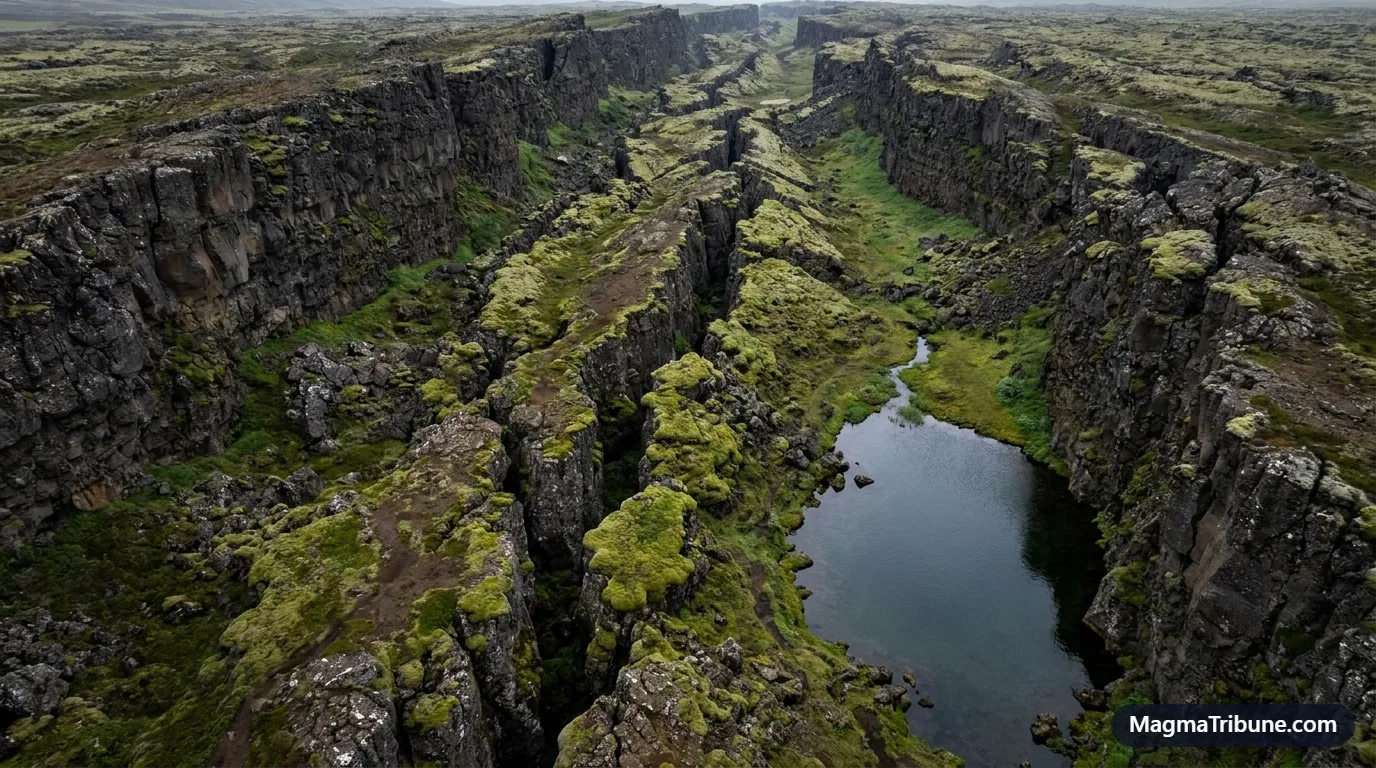 questionsHow fast do tectonic plates move a year?
 questionsHow fast does lava flow?
 questionsHow fast is a hurricane?
 questionsHow fast is lightning?
 questionsHow hot is lava?
 questionsHow is clay formed?
 questionsHow is salt formed?
 questionsHow is sand formed?
 questionsHow long do volcanoes erupt?
 questionsHow long does it take for a fossil to form?
 questionsHow many earthquakes happen a day?
 questionsHow many glaciers are there?
 questionsHow many hurricanes a year?
 questionsHow many minerals are there?
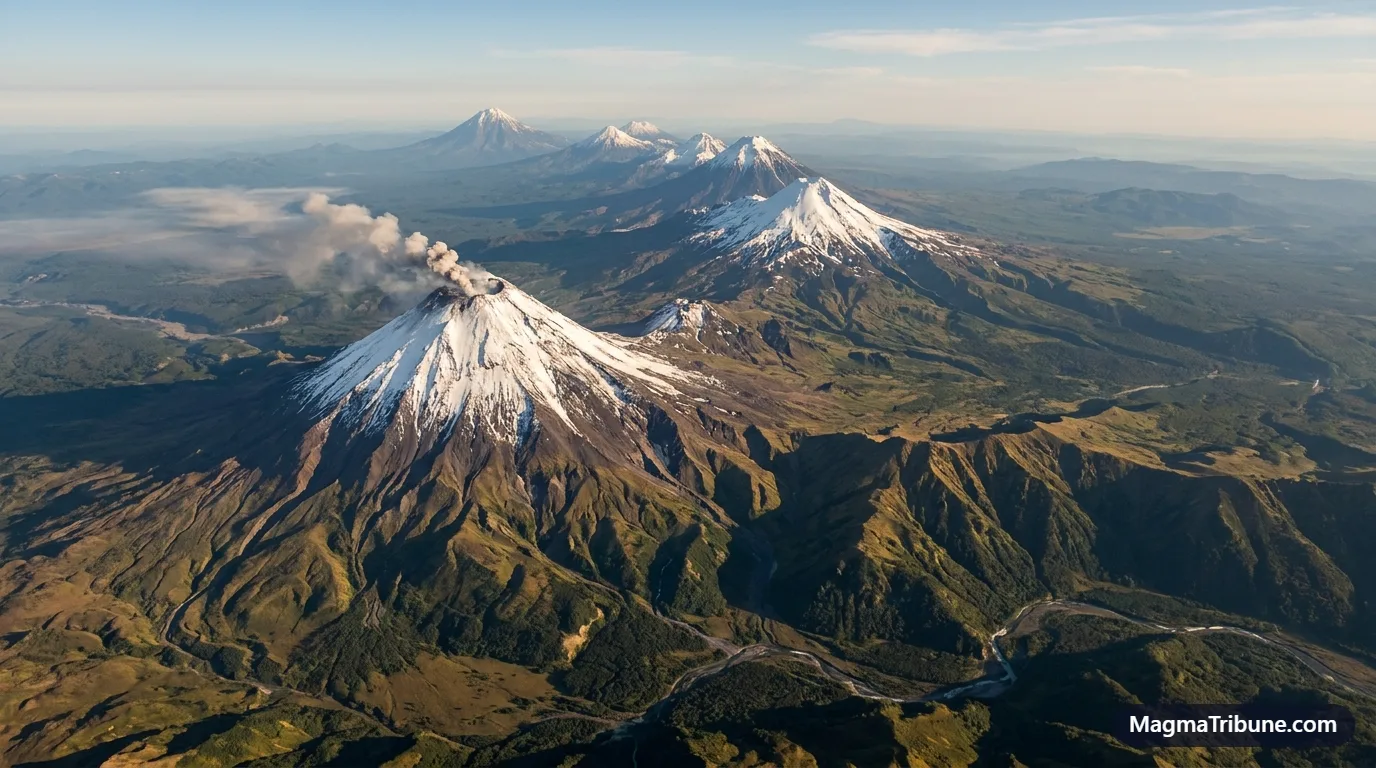 questionsHow many volcanoes are there?
 questionsHow much of the Earth is water?
 questionsHow old is the oldest rock?
 questionsHow tall is the tallest volcano?
 questionsHow to find fossils
 questionsHow to find geodes
 questionsHow to find gold
 questionsHow to identify a meteorite
 questionsHow to identify agate
 questionsHow to identify petrified wood
 questionsHow to read a tide chart
 questionsWhat caused the ice age?
 questionsWhat causes lake effect snow?
 questionsWhat happens if all the ice melted?
 questionsWhat is a bomb cyclone?
 questionsWhat is a haboob?
 questionsWhat is a king tide?
 questionsWhat is a microburst?
 questionsWhat is a nor'easter?
 questionsWhat is an atmospheric river?
 questionsWhat is loess?
 questionsWhat is the coldest place on Earth?
 questionsWhat is the driest place on Earth?
 questionsWhat is the Earth's core made of?
 questionsWhat is the hardest mineral?
 questionsWhat is the hottest place on Earth?
 questionsWhat is the most common mineral?
 questionsWhat is the strongest hurricane?
 questionsWhat is the wettest place on Earth?
 questionsWhat shape are raindrops?
 questionsWhen is tornado season?
 questionsWhen will the next ice age happen?
 questionsWhere are fossils found?
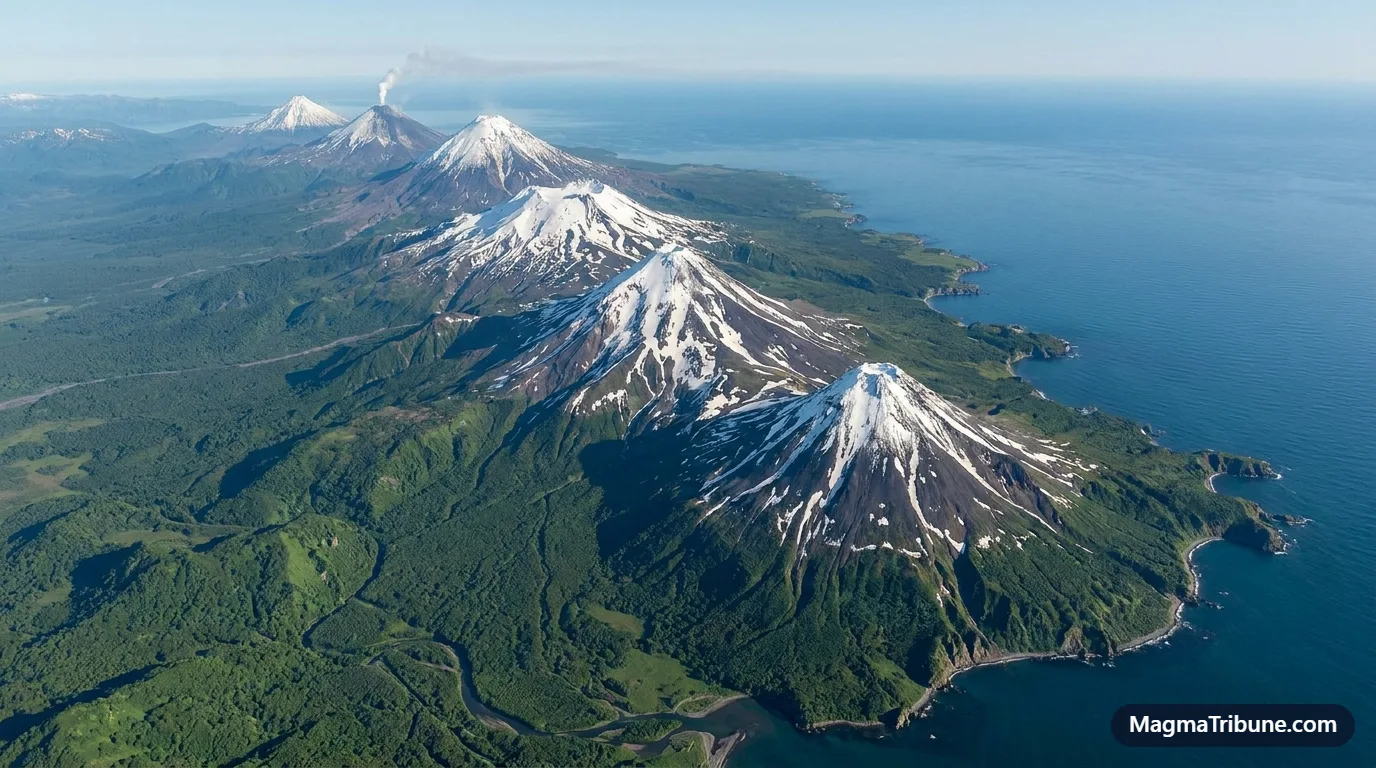 questionsWhere are volcanoes found?
 questionsWhere do tornadoes occur?
 questionsWho discovered el nino?
 questionsWho discovered plate tectonics?
 questionsWho discovered radiometric dating?
 questionsWho discovered the age of the Earth?
 questionsWho discovered the coriolis effect?
 questionsWho discovered the Earth's core?
 questionsWho discovered the greenhouse effect?
 questionsWho discovered the gulf stream?
 questionsWho discovered the jet stream?
 questionsWho discovered the law of superposition?
 questionsWho discovered the ozone hole?
 questionsWho invented the anemometer?
 questionsWho invented the barometer?
 questionsWho invented the mohs scale?
 questionsWho invented the richter scale?
 questionsWho invented the seismograph?
 questionsWho invented the thermometer?
 questionsWho is the father of geology?
 questionsWho is the father of meteorology?
 questionsWho is the father of oceanography?
 questionsWhy are clouds white?
 questionsWhy are deserts hot?
 questionsWhy are fossils important?
 questionsWhy are glaciers blue?
 questionsWhy are minerals important?
 questionsWhy are volcanoes important?
 questionsWhy cant you drink ocean water?
 questionsWhy do hurricanes spin?
 questionsWhy do mountains have snow on top?
 questionsWhy do snowflakes have six sides?
 questionsWhy do waves break?
 questionsWhy does california have so many earthquakes?
 questionsWhy does iceland have so many volcanoes?
 questionsWhy does japan have so many earthquakes?
 questionsWhy is Earth called the blue planet?
 questionsWhy is it colder at higher altitudes?
 questionsWhy is soil brown?
 questionsWhy is soil important?
 questionsWhy is the ocean blue?
 questionsWhy is the sky blue?
 questionsWhy is the sky red at sunset?
Key Facts
- We answer 103 earth science questions, each on its own page with the direct answer in the first sentence.
- Weather and atmosphere is the largest group, with 24 question pages.
- Twenty question pages cover the scientists and inventions behind earth science, from the Mohs scale to the seismograph.
- Rocks, minerals and soil account for 17 question pages, including how sand, clay and salt form.
- Every number on a question page comes from a public science agency or catalog such as the USGS, NOAA, NASA or the Smithsonian volcano catalog.
- Questions fully answered by a topic page, such as how many tectonic plates there are, link to that page instead of repeating it.
Frequently Asked Questions
What are the most common earth science questions?
The most searched questions ask about sizes, speeds and causes: how many volcanoes or earthquakes there are, how hot lava is, how deep the ocean is, why the sky is blue and what the hardest mineral is. Weather questions, from hurricanes to lightning, form our largest group, with 24 of our 103 question pages.
What are the main branches of earth science?
Earth science is usually split into geology (rocks, minerals, earthquakes, volcanoes and Earth's interior), meteorology (weather and the atmosphere), oceanography (the oceans) and climate science. Many topics also connect earth science with astronomy, chemistry and biology, for example fossils, which link geology with the history of life.
Where do your answers get their numbers?
Our numbers come from public science agencies and catalogs, mainly the USGS, NOAA and the National Weather Service, NASA and the Smithsonian Global Volcanism Program. Each data table names its source and the month we retrieved it. When agencies give different figures, or a number depends on the method, the page explains the difference.
Are these answers suitable for students?
Yes. The answers are written for readers from about grade 6 through high school, with plain language first and more detail further down each page. Every question links to a fuller topic page, and most topics also have printable worksheets with answer keys and simpler kids pages for younger readers.
What if my question is not on the list?
Many questions are answered inside our topic pages instead of on a page of their own. Start from the matching section, such as volcanoes, earthquakes, rocks, minerals or weather, and use the On this page menu, or check the glossary for definitions and the comparison pages for questions that weigh one thing against another.
Keep Exploring


Sources
Question counts are computed from our own page plan; the questions themselves were chosen from verified search autocomplete phrases. Text, diagrams and illustrations are original work by Magma Tribune.